
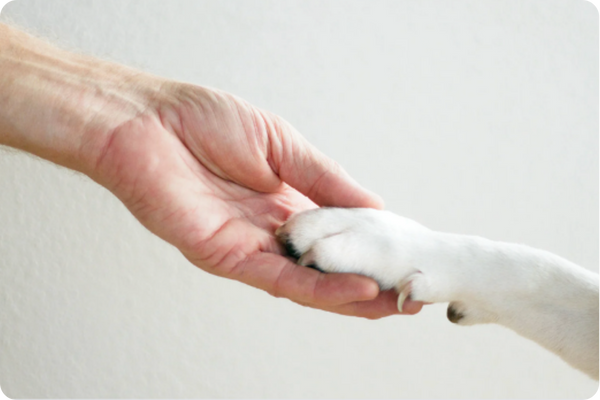
It can happen in a split second. Your dog could be running around as happy as ever, and in the next instant, you notice them holding up a paw or licking at it more than usual. On closer inspection it’s a dewclaw injury that’s affected the little ‘extra toe’ on the side of the leg.
It’s never nice to see your dog injured. However, a dewclaw injury is a lot more common than you might expect. Sometimes, dewclaws can get a little long and snag on things as your dog runs or plays. This could leave your dog limping or yelping, and it may bleed too. It’s like ripping a nail for a human. It might hurt, but it is treatable.
In this guide, we’ll explain what dewclaws are, how to spot the signs of injury, what you can do at home and when you should seek veterinary care. We’ll also share a few ways you can prevent future problems and reduce the risk of a dewclaw infection.
What are dewclaws in dogs?
Dewclaws in dogs are often referred to as ‘extra toes’, quite simply because they look very similar to the other digits on a dog’s paw. However, instead of being in line with the other four toes, a dewclaw is located slightly higher up the leg.
Their appearance and structure can vary between breeds and individuals. Some dogs have dewclaws that are attached firmly to bone, while in others they are more loosely connected with skin and tissue. Because they stick out slightly from the paw, they’re more prone to catching on carpets, furniture or anything your dog may brush past.
Are dewclaws important for dogs?
Some people assume that dewclaws serve no purpose. On the contrary, dewclaws are a useful tool for dogs when it comes to stability and agility. Dewclaws can be used to improve grip or help dogs to turn when running at speed. Many dogs also use their dewclaws when playing – for example to hold onto a favourite toy more securely during a game of tug.
Signs of a broken or injured dewclaw
Because dewclaws in dogs sit in a position that makes them more exposed, they can be prone to injury, especially in active dogs. Even a minor snag on something your dog brushes against could lead to a ’pulled’ dewclaw.
Common signs of a dog dewclaw injury include:
- Sudden bleeding from the paw
- Limping or holding the paw up
- Excessive licking or chewing around the paw
- A bent, cracked or loose dewclaw
- Visible discomfort or yelping when the injury occurs
In some cases, the entire dewclaw may be torn away, which can result in significant bleeding. Although it may look dramatic, a dewclaw injury can usually be successfully treated with the right veterinary care. Even if the injury seems minor or your dog seems more comfortable after a few minutes, it’s still important to have the injury checked by a vet to avoid complications such as infection.
Signs of a dewclaw infection
A dewclaw infection can develop if bacteria enter through a torn or broken nail. Left untreated, infections can cause pain and spread deeper into the paw.
Some of the strongest signs of a dewclaw infection are:
- Redness and swelling around the dewclaw
- Warmth or tenderness to the touch
- Pus or discharge
- A foul smell
- Persistent licking or chewing at the dewclaw
If you notice any of these signs in your dog, contact your vet straight away. Cleaning can prevent the infection from getting worse and becoming more challenging to treat. Your vet may also prescribe antibiotics.
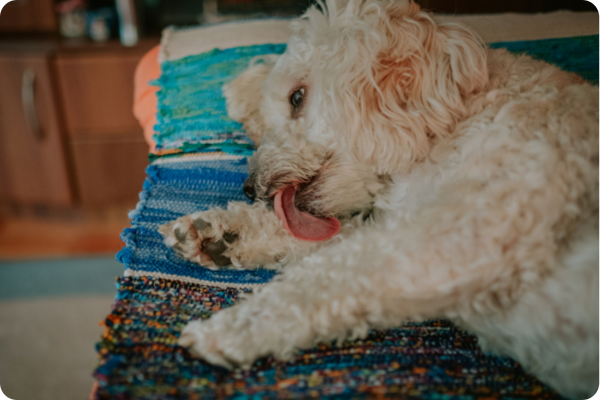
First aid for a broken dewclaw
A broken dewclaw, or one that is bleeding, can look distressing, but taking a few simple steps at home can make a big difference to your peace of mind and your dog’s comfort until you reach your vet.
Here’s what you need to do:
1. Stay calm and keep your dog still
Dogs can panic when in pain. Gently restrain and comfort your dog to prevent further injury and keep them more relaxed.
2. Clean the wound
Rinse the area with clean water or a pet antiseptic solution to clean it of any debris.
3. Control the bleeding
Apply gentle but firm pressure with a clean cloth or gauze until the bleeding is controlled.
4. Wrap the paw
Protect the area with sterile gauze or a light bandage. Keep it snug but not too tight, as this helps prevent licking and chewing.
Veterinary treatment for a dewclaw injury
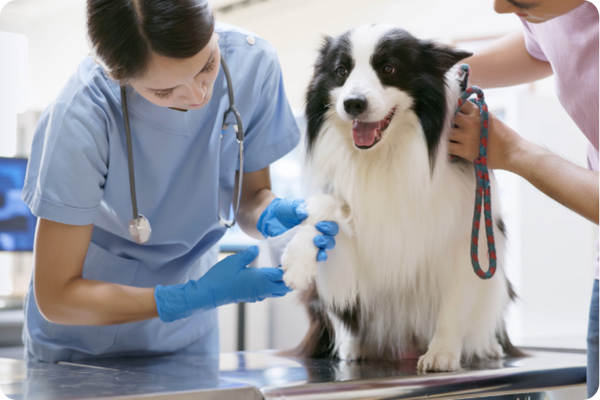
Even if the broken dewclaw seems to be minor, it is important to get it seen to by a vet to make sure your dog receives the right care. Your vet will carefully examine the paw to assess the injury.
The wound will usually be cleaned thoroughly to prevent a dewclaw infection. This may involve trimming or removing the damaged nail if necessary. They may then prescribe antibiotics or pain relief if there are signs of infection, as well as advising on follow-up care to keep the paw clean and protected.
Preventing future dewclaw injury
While accidents happen, many dewclaw injuries can be avoided with regular care and awareness.
Regular nail trimming
In the same way that claws may need regular clipping, keeping dewclaws neatly trimmed reduces the risk of a snagged or broken dewclaw. The frequency varies from dog to dog – some may need a trim every few weeks while others may wear their nails down naturally. If you’re unsure, your groomer or vet can advise and help with trimming. Our Kin Care Club membership includes routine nail trims as part of our Complete Peace of Mind package.
Routine paw checks
Check your dog’s paws regularly for overgrown or cracked dewclaws. Early detection often means that you can step in and prevent them from becoming bigger problems.
Exercise and playtime precautions
Supervise high-energy play, especially on rough or uneven surfaces where dewclaws are more likely to catch. Keep an eye on your dog for any changes in behaviour, such as limping or yelping, as this may indicate a dewclaw injury.
Environmental considerations
Minimise hazards at home such as loose carpets or rough flooring. Outdoors, be mindful of brambles or fences that could snag a dewclaw.
In summary, a broken or injured dewclaw may look dramatic, but with the right care your dog will usually make a full recovery. The key is not to ignore the injury and seek prompt veterinary care.
For professional help, you can find your nearest Kin Vet practice here.
Or, for more guidance on keeping your dog happy and healthy, explore our full library of dog advice articles.

Find a Vet Practice Near You
Join our Pet Healthcare Plan, the Kin Care Club.
Our comprehensive pet healthcare plan is designed to help you give your cat or dog the best care, while keeping your budget in mind.
Whether you’re looking for essential coverage or complete peace of mind, the Kin Care Club offers two flexible plans tailored to your needs and your pet’s well-being.
