Pet vaccinations
Vaccination services for cats, dogs and rabbits
Vaccinations are one of the most important ways to protect your pet’s health. Vaccines provide ongoing protection against a range of life-threatening diseases that can affect cats, dogs and rabbits both young and old. This means that it’s important to protect your pet at every stage of their life.
At Kin Vet, our practices offer comprehensive pet vaccinations that suit your pet’s individual lifestyle, breed and stage of life. Whether you are looking for routine vaccinations or specific protection if you pet is going to daycare or travelling abroad, our team will give you tailored advice to ensure your pet is protected.
Find your local Kin Vet practice to book your pet’s vaccination appointment today.
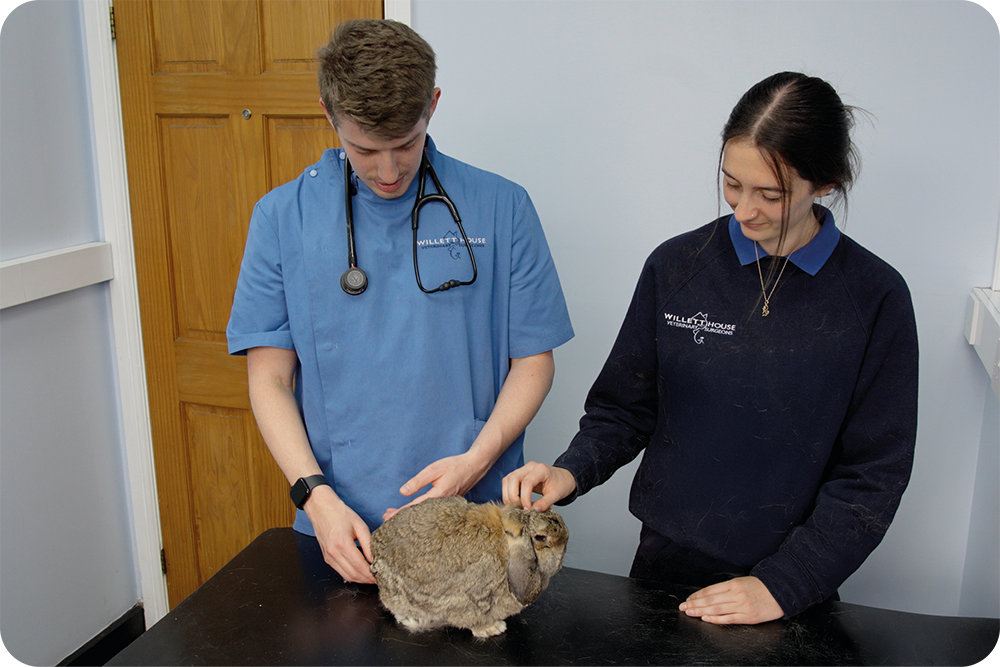
What to expect at your pet’s vaccination appointment
When you bring your pet for a vaccination appointment, our vets will start with a health check to make sure your pet is fit and well before giving their vaccines. While appointments can vary depending on the vaccines being given, your pet’s vaccination appointment will be quick and straightforward, with our experienced team ensuring your pet is comfortable and reassured at every step.
Most pet vaccinations are injected just under the skin using a very small needle, which is quick and typically causes very little discomfort. Some vaccines might be administered into the mouth or nose instead. Your vet will explain the process to you and answer any questions you may have at the outset of the appointment.
Some vaccines, particularly for puppies, kittens or adult pets who have not had a vaccination before, may require a short course of appointments to administer doses over a few weeks. After the first vaccinations are done, regular boosters help to keep on top of immunity as they grow older.
Routine vaccinations covered with Kin Care Club*
Routine pet vaccinations have never been easier than they are for members of the Kin Care Club. As a member of our Kin Vet preventative care plan, you can get your dog or cat vaccinations fully covered, giving you peace of mind that their immunity will be kept up to date without any unexpected costs.
Membership also includes convenient reminders about upcoming boosters or follow-up appointments, helping you to stay on top of your pet’s preventative care.
You can explore the Kin Care Club more and learn about further service offerings below.
*Please note that the Kin Care Club does not include vaccinations for rabbits and service offerings may differ between our practices. Find your local Kin Vet practice for more specific details.

Pet vaccination FAQs
Do you still have questions about pet vaccinations? Here are some of the most common questions from pet owners.
All pet vaccinations are administered in our practices by our experienced veterinary teams who will ensure that the vaccines are suitable for your pet. While all effective medicines can carry a small degree of risk, the benefits of the vaccinations will normally far outweigh the potential dangers of leaving your pet unprotected. Your vet will be happy to explain this in more detail and discuss any risks before your pet is vaccinated.
Vaccination schedules will depend on several factors, such as your pet’s species, age and lifestyle. Puppies and kittens will often receive a short course of injections in their first few months to build up their immunity. Then, as cats, dogs or rabbits get older they will typically need annual or three-yearly boosters, depending on the type of the vaccine.
Most pets will only feel a quick pinch during the injection and some may not react to it at all. Some pet vaccinations can be given orally or nasally instead, which may feel funny but does not hurt.
The majority of pets respond very well to their vaccinations with no side effects. On occasion, you may notice some mild side effects such as tiredness, tenderness at the injection site or a slight, temporary change in appetite. These symptoms typically pass within a day or two and don’t cause any harm to your pet. If you are concerned about how your pet may respond to their vaccination, or you think they may have had a reaction in the past, speak to your vet at the beginning of the appointment.
All our practices send reminders to let you know when your pet’s booster vaccinations are due. Make sure to check that your contact details (email address, mobile number, and postal address) are up to date when you visit the practice, and our systems will do the rest!
For dogs who have previously received vaccinations against parvovirus, distempervirus, and adenovirus, our practices can offer a blood test as an alternative to routine three-yearly vaccination to see if your pet’s immunity is lasting longer than average. For more information, including costs, please speak to one of our vets.
However, immunity to some other diseases cannot be tested for in this way. Leptospirosis in dogs, herpesvirus in dogs, calicivirus in cats, and feline leukaemia virus in cats are all diseases where immunity cannot be checked with a blood test. For these diseases, we recommend routine vaccination to keep your pet protected.
Find your local Kin Vet Community practice
Keeping your pet’s vaccinations up to date to prevent disease is a vital part of your pet’s care. Kin Vet’s friendly experts are on hand in our practices to help with all aspects of your pet’s healthcare, from first vaccinations to regular boosters and additional vaccinations for specific circumstances.
Find your nearest Kin Vet practice using the button below and get in touch with our team to book in your pet’s vaccinations.