
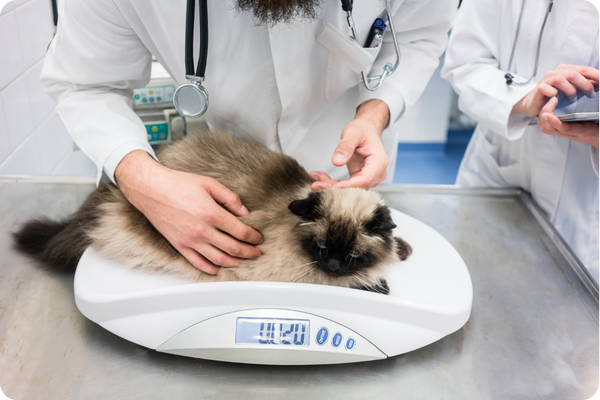
A recent survey by UK Pet Food revealed that 43% of cats are overweight¹. So, if you need some extra support with weight management for your cat, rest assured that you are not alone. Cat obesity can very often go unnoticed until a secondary issue occurs, however it is treatable. Together with the tips in this blog and guidance from your vet, you can take steps to help your cat to achieve a healthier weight.
This blog covers some of the biggest risk-factors of cat obesity and the steps you can take to manage their weight at home. Read on to learn more.
Understanding cat obesity
Cat obesity is one of the most common, and often overlooked. health issues vets see in practice. It occurs when a cat has an excessive buildup of body fat, usually developing slowly over time because of overfeeding, lack of exercise or free-feeding habits. As well as making your cat look a little more filled out, the excess fat, if not managed, can place extra strain on their joints and organs and make the body work harder.
A cat is typically classified as overweight when it weighs around more than ten percent over its ideal body weight, and obese when body fat exceeds twenty percent². While that might not sound like much, even a small amount of excess weight can lead to long-term health problems.
There are a few common lifestyle habits or traits that may put your pet at a higher risk of cat obesity. Older cats, those who are neutered, or specific breeds such as pedigree and luxury cats can be predisposed to weight gain, meaning it’s particularly important to keep an eye on their eating and exercise habits.
How to tell if your cat is overweight
It’s not always easy to notice when a cat has gained weight, particularly when changes are gradual. However, there are a few reliable ways to assess your cat’s body condition at home.
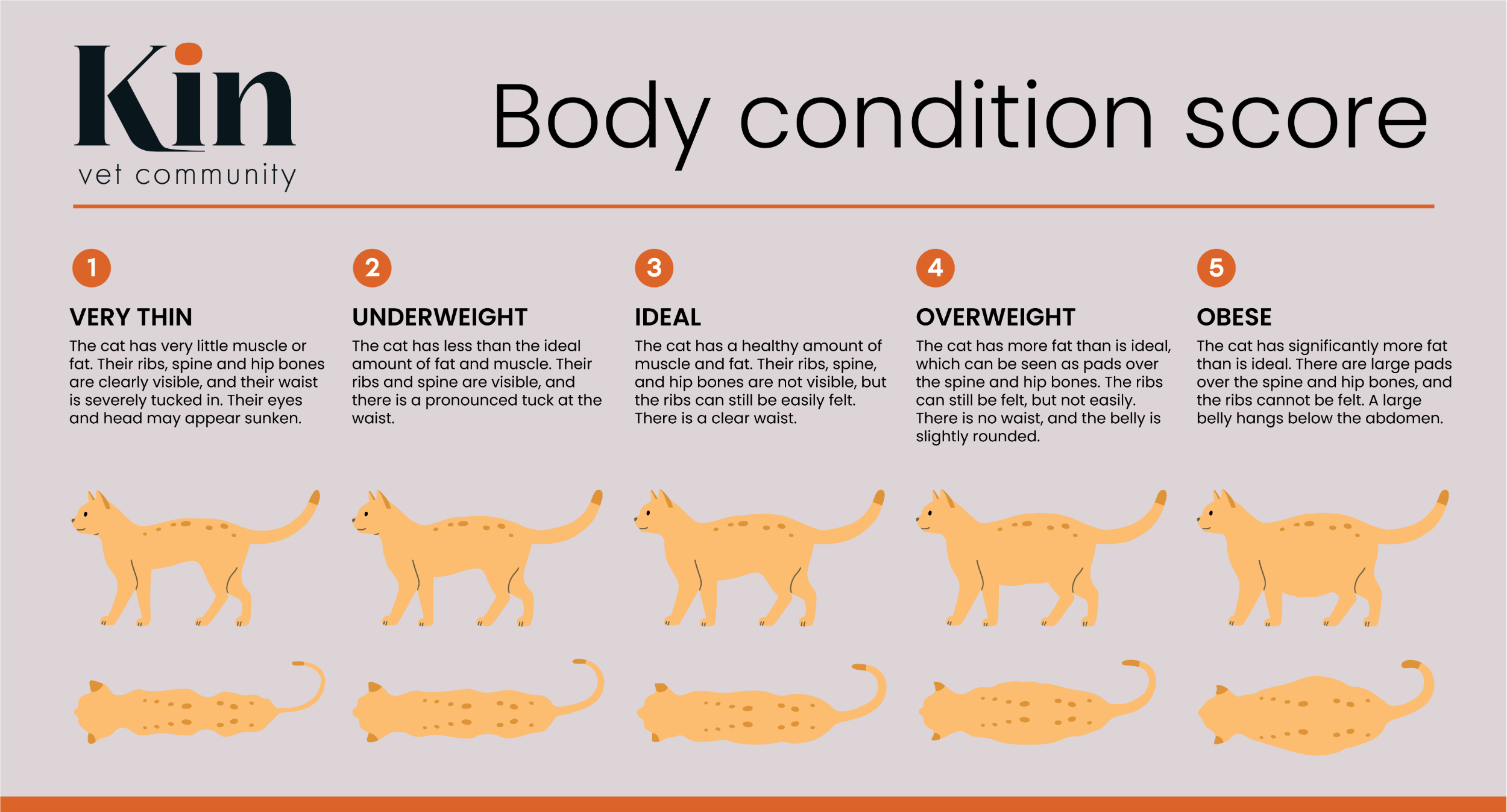
The best place to start is with a Body Condition Score (BCS) chart. This is a visual guide that is designed to help owners to compare their cat’s body shape against healthy examples, showing what an ideal weight should look and feel like. You can also do a quick hands-on check at home to get a better idea of your cat’s condition.
Here’s what to look and feel for as you observe and stroke your cat:
- Their waist: A healthy cat has a visible waist with a slightly defined curve that you can see and feel.
- Their ribs and spine: You should be able to feel their ribs and spine when you stroke their stomach and back without applying firm pressure, but not too prominently.
- Their abdomen: Healthy cats have a light layer of fat around their abdomen, sometimes called their primordial pouch. This is enough to provide cushioning, but not so much that it hangs or looks rounded.
If you are struggling to see or feel your cat’s waist, ribs or spine or notice a prominent primordial pouch, it is likely that they are carrying around a bit of extra weight.
If you’re unsure whether you have an overweight cat or would like to learn more about what ‘healthy’ looks like for your cat’s age and breed, your local Kin Vet practice can help. A quick nurse or vet consultation can confirm your cat’s weight and give you a chance to discuss diet and lifestyle and receive personalised guidance. Find your Kin Vet practice here.
Health risks associated with cat obesity
Carrying extra weight affects much more than your cat’s appearance. Weight gain can significantly reduce your cat’s quality of life or even reduce lifespan if not properly managed. Obesity in cats places additional strain on the body, making it harder for your cat to move comfortably, groom themselves and stay active.
Over time, excess fat can also interfere with normal organ function and increase the risk of serious health conditions, such as:
- Diabetes
- Heart and respiratory disease or difficulties
- Arthritis and joint pain due to excess pressure on joints
- Liver problems
- Reduced mobility and grooming ability
- Increased risk during anaesthetic procedures due to difficulties with sedation
These risks make early weight management vital for your cat’s long-term wellbeing. However, with the right diet, activity and support from your vet, many of these health problems can be prevented or even reversed.
Managing your cat’s weight
Helping your cat reach and maintain a healthy weight takes time, consistency and needs professional veterinary guidance. Sudden or severe food restriction can be dangerous for an overweight cat and may lead to hepatic lipidosis (fatty liver disease) or other health complications. When under veterinary care, your vet can create a safe, gradual programme that supports steady progress while ensuring your cat still receives all the nutrients they need.
Here are some of the things your vet may discuss with you.
Choosing the right diet
A balanced, vet-approved diet is the foundation of healthy weight loss. Look for food designed for weight management. This is typically higher in protein and fibre but lower in fat and calories to help your cat feel full without overeating.
Some cats may benefit from prescription or therapeutic diets, which should only be used under veterinary guidance. If you’re not sure what’s best for your cat, speak to your vet for tailored recommendations and guidance.
Portion control and feeding options
Portion control is one of the most effective ways to support safe weight loss. Use a measuring cup or digital scale to accurately portion meals based on your vet’s recommendations. Feeding smaller, more frequent meals throughout the day can also help your cat to feel satisfied and full, reducing the likelihood of begging between meals.
If you use treats for training or bonding, consider low-calorie options or set aside part of your cat’s daily food allowance to use instead. It can be very easy to rack up the calories in treats if you aren’t mindful.
Encouraging exercise and play
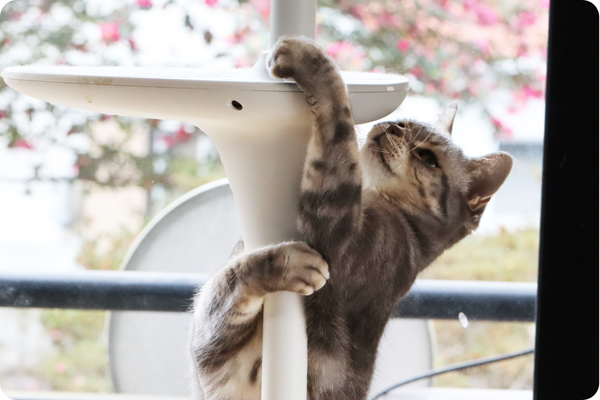
Exercise is just as important as diet when it comes to maintaining a healthy weight. Encourage your cat to move more with interactive toys, food puzzles, climbing posts and short but frequent play sessions. Indoor cats can benefit particularly from daily enrichment to keep them active and mentally stimulated. For older or overweight cats, start slowly and build up activity levels gradually to avoid strain or injury.
Preventing obesity in cats
Preventing weight gain is far easier than treating it. From kittenhood, maintaining healthy feeding habits, regular exercise, and routine health checks helps keep your cat in ideal condition. Stick to measured meals and try to avoid getting into the habit of free-feeding and unmeasured portions. Make sure to provide daily play or enrichment to keep them active. It’s also important to monitor their weight regularly with veterinary checkups.
Regular weigh-ins at your local Kin Vet practice are especially important, meaning any changes can be addressed early, helping your cat stay fit, healthy and full of energy.
When to seek veterinary support
Before starting any weight loss plan, it’s essential to speak with your vet. They can rule out medical causes of weight gain, such as thyroid or metabolic issues, and create a safe, tailored programme for your cat. Your vet will recommend appropriate food, monitor progress, and make gradual adjustments to prevent complications associated with cat obesity.
For ongoing support, our Kin Care Club offers 24/7 Telehealth access via VidiVet for any concerns as well as unlimited vet and nurse consultations. Professional guidance ensures every step of your cat’s weight journey is safe, effective, and sustainable. Learn more about the Kin Care Club here.
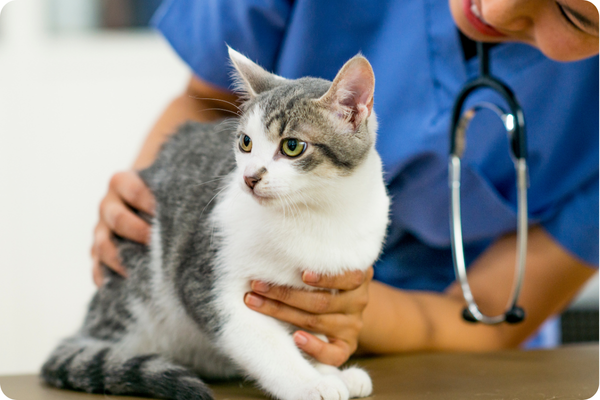
So, while your cat may take a little time to get used to their new, healthier diet, remember that they will benefit greatly. Cat obesity is manageable with the right care and consistency. Gradual weight loss, regular check-ups and balanced nutrition can transform your cat’s wellbeing.
Find out how one of our Kin Vet practices can help you today here.
References
¹ https://www.ukpetfood.org/resource/obesity-report-released-to-tackle-rising-pet-obesity.html

Find a Vet Practice Near You

Join our Pet Healthcare Plan, the Kin Care Club.
Our comprehensive pet healthcare plan is designed to help you give your cat or dog the best care, while keeping your budget in mind.
Whether you’re looking for essential coverage or complete peace of mind, the Kin Care Club offers two flexible plans tailored to your needs and your pet’s well-being.
