
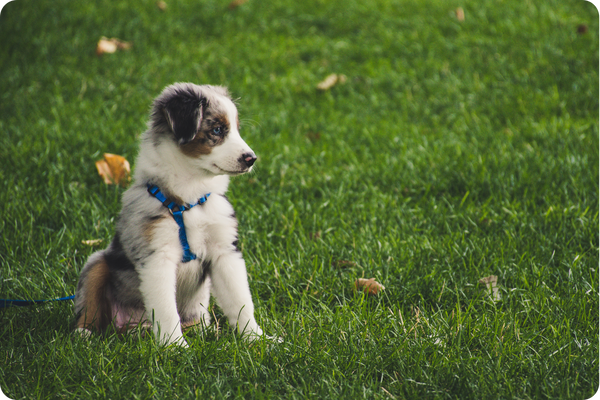
No one likes to see their pet unwell, especially if it’s their new puppy. If your dog has been diagnosed with parvovirus, you are not alone. While canine parvovirus is less common in the UK due to vaccination, young or unvaccinated dogs are still unfortunately susceptible. While canine parvovirus is a serious condition, quick action can make a big difference to the level of risk and outcome for your puppy.
The following blog will guide you through the ins and outs of canine parvovirus, helping you to understand the illness and giving you tips on how you can prevent and manage it for your puppy.
What is parvovirus in dogs?
Canine parvovirus (also commonly referred to as CPV or parvo) is a contagious viral infection that affects dogs. In particular, young puppies or unvaccinated dogs are at risk.
The virus primarily affects the gastrointestinal system, hence the common symptoms of vomiting, diarrhoea and dehydration. The virus damages the lining of the intestines and can also reduce the number of infection-fighting cells in the bone marrow, making it harder for the body to recover on its own. In some cases, it may also affect the heart. Parvovirus in dogs is known to be quite resilient and it can live in the environment for a long time. While vaccinated dogs are well protected, they can occasionally still catch parvovirus if boosters are missed or their immunity decreases over time. The important thing to remember is that treatment is available and, with prompt veterinary care, many dogs go on to recover well.
If you’re worried your dog might have parvovirus or is showing symptoms, contact your local vet as soon as possible. They will be able to offer timely advice and guide you through the next steps for diagnosis and treatment.
How do dogs get parvovirus?
Parvovirus is spread through contact with infected faeces or contaminated objects such as bedding, food and water bowls or even human hands. Because parvovirus can survive in the environment for long periods of time, it can remain for several weeks on these objects even if the infected dog has been kept away. Canine parvovirus is unique to dogs. So, if you have a cat or other human family members in a home with an infected dog, the virus cannot be transmitted across species.
Unvaccinated dogs of any age are at risk. Additionally, puppies under six months old are more susceptible to catching parvovirus due to their weakened or still-developing immune systems. And, if your older dog has a weakened immune system or their booster vaccinations haven’t been kept up to date, this may also leave them exposed.
Parvovirus symptoms in dogs
Symptoms of parvovirus in dogs usually appear between three to seven days after exposure, although this could vary depending on the dog. In the early stages, symptoms of canine parvovirus could look similar to those of a more common stomach upset or bug, but the difference is that they come on very fast and affected dogs may deteriorate rapidly, so it is important to contact your vet quickly if you notice any changes.
Common symptoms include:
- Severe vomiting or diarrhoea which may contain blood or an unpleasant odour
- Lethargy and weakness
- Loss of appetite
- Fever or a low body temperature
- Abdominal pain or bloating
- Rapid dehydration
In more serious cases, some dogs may collapse or go into shock if they become severely dehydrated or weak.
If your dog is showing any of these signs, don’t wait to seek help. Prompt veterinary care makes a big difference to not just their comfort levels but also their chance of making a full recovery.
How parvovirus in dogs is diagnosed and treated
Because symptoms can often appear the same as several other stomach or digestive illnesses, getting a prompt diagnosis from a vet if you suspect your dog has parvovirus is essential.
How vets diagnose canine parvovirus
Vets will usually use an antigen test to diagnose parvovirus in dogs. This involves checking a small stool sample. Results are revealed in as little as 15 minutes, allowing for treatment to begin promptly. Your vet may also run blood tests to check white blood cell levels and get an idea of hydration or electrolyte levels.
While there is no direct cure for parvovirus in dogs, a prompt diagnosis and comprehensive supportive care can make a significant difference to a dog’s recovery.
Treatment and supportive care
If a case of canine parvovirus is suspected, or has been confirmed, your vet will begin treatment. This will often start with an IV to deliver fluids and help to reverse the effects of dehydration. From there, electrolyte therapy can help to restore balance.
Antibiotics are also given in many cases to prevent any secondary infections from occurring, and this may be supported by anti-sickness medications or pain relief to keep your dog feeling as comfortable as possible as they undergo treatment. In some cases, a vet may provide nutritional support, such as feeding tubes, to make sure your pet is getting the nourishment they need.
Because parvovirus is contagious, infected dogs need to be kept in isolation to avoid contaminating other dogs. Hospitalisation is common and recovery can take anywhere from several days to multiple weeks, depending on the severity of the case.
Preventing parvovirus in dogs
Vaccinations
The risk of your dog contracting parvovirus is greatly reduced with regular vaccinations. Puppies begin their protection with a course of initial vaccinations while they are young (around six to eight weeks old), receiving regular boosters as they grow to keep their immunity strong.
Until your puppy is fully protected, you can help to keep parvovirus at bay by keeping them away from unfamiliar dogs and keeping them off dirty pavements or other possible sources of contamination while their immunity is still developing.
For ongoing support, our Kin Care Club includes routine vaccinations as part of the membership, as well as six-month check-ups that can keep your dog protected all year round.
Hygiene and environment
Good hygiene is also an important factor. Parvovirus in dogs is contracted from an unclean environment and the virus’ resilience, means it’s important to keep on top of regular cleaning of shared bowls, bedding or toys to mitigate the risk of exposure. It’s best to use a veterinary-approved disinfectant or a product containing bleach or virucidal agents to effectively break down the virus. If you have been in contact with a dog that may have parvovirus, make sure to wash your hands or clothes thoroughly before interacting with your dog.
Avoiding areas of risk, such as being around unvaccinated dogs, is essential for puppies who have not yet received their initial course of vaccinations.
Supporting a dog with parvovirus
Dogs can recover from parvovirus and many go on to live happy, healthy lives. But it’s important to understand that recovery may not always be quick or linear. Many dogs need several weeks of rest and care at home, even after they leave the practice. Your vet will recommend appropriate medications or diets to help your dog to feel better or allow their digestive system to recover and it is important to stick to these recommendations to give your dog the best chance of recovery. If you pick up on any signs of parvovirus returning, such as vomiting, diarrhoea or loss of appetite, contact your vet straight away to prevent any setbacks in recovery.
A clean environment is also essential to recovery and keeping other pets free from parvovirus. Dogs could still be virus carriers for weeks after the treatment is over, so it’s important to keep them separate from other dogs to avoid spreading the disease.
In summary, while parvovirus in dogs is a serious illness, it can be prevented by keeping vaccinations up to date and treated with early recognition and prompt veterinary care. Regular vaccinations are the most effective way to prevent canine parvovirus.
If you have concerns about your dog or want to book them in for their vaccinations, you can find your nearest Kin Vet practice for professional and friendly veterinary support.

Find a Vet Practice Near You

Join our Pet Healthcare Plan, the Kin Care Club.
Our comprehensive pet healthcare plan is designed to help you give your cat or dog the best care, while keeping your budget in mind.
Whether you’re looking for essential coverage or complete peace of mind, the Kin Care Club offers two flexible plans tailored to your needs and your pet’s well-being.
