
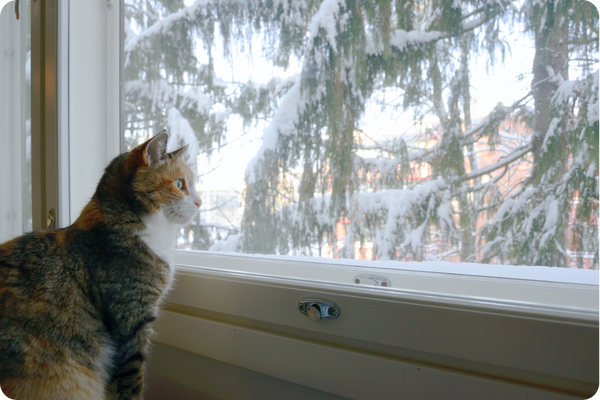
As the days start to grow shorter and the temperatures drop, winter can be a lovely and cosy season for us and our pets to enjoy. However, there are a few sneaky hazards that could cause a problem for our pets if we’re not careful.
Whether you’re the owner of a playful dog who loves outdoor walks or a relaxed indoor cat, there are aspects for every owner to be aware of. Read on to discover a few of our top tips for looking after your pets in winter.
1. Keep your pet warm
Many pets feel the cold when the temperatures drop. Pets with health conditions or short haired or older pets may notice the cold even more. However, unlike a human, they can’t simply put on a jumper or some fluffy socks!
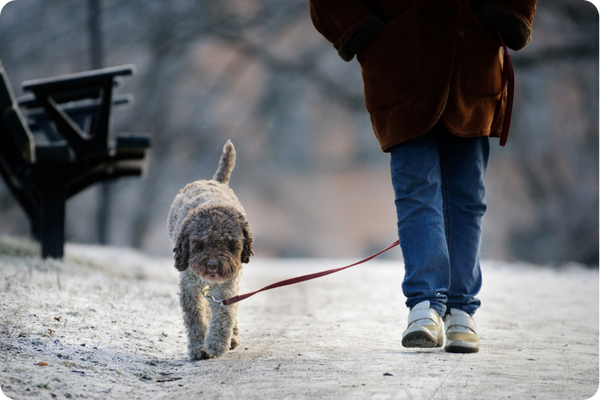
If you have a cold dog, consider a well-fitting coat for walks, particularly if they have a fine or short coat of fur. After outdoor adventures, dry them off thoroughly to avoid damp fur and chills particularly if it is raining or snowing.
Pets in winter need a warm spot to rest. Raise beds slightly off the floor to keep them away from cold tiles or floorboards and consider adding cosy blankets for comfort. Cats, in particular, love to find warm hiding spots in winter and sometimes these can be outside, so be sure to check sheds or garages for your furry friend before closing them up, or ensure that you are offering a warm outdoor corner with lots of cosy bedding for your cat to hide out in.
2. Keep active
Cold weather can make even pets who are usually the most avid of explorers hesitant to leave the house, but exercise is just as important in the winter. For dogs that need walking, it’s also best to avoid extended time outside during freezing temperatures to avoid having an overly cold dog! Making the most of shorter, more frequent walks is safer and more enjoyable for everyone and gives you and your pet time to warm up indoors in between. Don’t forget to get a reflective lead or harness to make sure your dog can be seen on early morning or late evening walks when it could be dark.
If it’s too icy or cold for a walk, don’t neglect the need to burn off some steam! Play gentle games of fetch or tug, or look for puzzle games to keep your pet’s mind engaged.
3. Make the most of seasonal health checks
In winter, maintaining preventive care and routine check-ups is just as important as at other times of year.
When it comes to parasites, fleas in particular thrive in heated environments. Your warm and cosy home could be the perfect resting place for more than just you and your pet! It’s vital to keep up with year-round treatments. Our Kin Care Club pet health plan offers everything you need to keep up to date with parasite treatments for pets in winter, and all year round. Your vet can recommend a prevention plan suited to your pet’s lifestyle, helping to keep these unwanted visitors at bay.
The cold weather can also aggravate conditions that affect joints, such as joint stiffness and arthritis, especially in older pets. If you notice your pet slowing down or struggling to get comfortable, it’s worth mentioning to your vet or booking a checkup.
Dry, cold winter air could lead to skin irritation or cracked paws. Keeping up with grooming helps to distribute natural oils and allows you to spot any early signs of irritation. Consider applying a pet safe balm or ointment to any areas of irritation and always consult your vet with concerns.
4. Environmental hazards
As people hurry to get into the warm after a long day in the cold, accidents can happen and people may be less careful. Here are a few environmental hazards to be on the lookout for this winter.
Antifreeze spills
We’re entering the season of antifreeze. Great for vehicles, not so great for pets. Antifreeze is a substance that is toxic to dogs and cats and, because of its sweet taste, it isn’t uncommon for a cat or dog to lap it up without you even knowing. If you think your pet has tasted some antifreeze or they are suddenly vomiting, drinking more or suffering wobbliness, or seizures, don’t hesitate to get in contact with your vet.
Road grit
If you’re walking your dog on a freshly gritted or salted road, make sure to check their paws after their walk. It can be very easy for small pieces of debris to get caught in your pup’s paw which could turn into an irritation or even an infection if not removed quickly. A simple rinse or wipe after a walk should remove most dirt. If you notice your dog limping or holding its paw differently, this may be a sign that there is an injury to the paw pad. In this instance, it is best to speak to your vet.
Heat sources
It may seem obvious, but fires, wood burners or even particularly warm heaters can pose hazards to pets. Around open flames, it’s vital to install a guard to prevent your pet getting too close. For cats who like a warm place to snooze, make sure that radiators aren’t too hot to the touch or find a way to keep your cat away from them.
Frozen water bowls
If your pet lives outdoors, make sure to keep an eye on their water bowl or bottle to make sure it hasn’t frozen. Remove any ice and ensure that there is still fresh water for when your pet needs it. In particularly low temperatures you may need to replenish water frequently.
In summary
Winter can be a wonderful season to share with your pets. By taking a few extra precautions and keeping an eye on their wellbeing, you’ll have a happy and healthy pet in winter.
Remember that if you’re ever unsure about your pet’s health or notice any changes in their behaviour, your vet is there to help. A quick check up can prevent small issues from becoming bigger concerns.
At Kin Vet, we’re proud to support vet practices across the UK to deliver excellent, compassionate care. You can find your nearest Kin Vet practice here. Or, learn more about Kin Vet on our website.

Find a Vet Practice Near You

Join our Pet Healthcare Plan, the Kin Care Club.
Our comprehensive pet healthcare plan is designed to help you give your cat or dog the best care, while keeping your budget in mind.
Whether you’re looking for essential coverage or complete peace of mind, the Kin Care Club offers two flexible plans tailored to your needs and your pet’s well-being.
